

Capital Intelligence
Risk management helps business owners identify exposure before it becomes damage. These guides explain liability separation, business insurance, compliance, contracts, operational security, data privacy, continuity, and resilience in educational terms.
Risk management is the process of identifying, reducing, transferring, or preparing for threats that could harm a person, business, asset, or organization. For business owners, it includes legal structure, insurance, contracts, compliance, cybersecurity, and operational controls.















Frequently Asked Questions About Business Risk Management
Risk management is the process of identifying, assessing, prioritizing, responding to, and monitoring events that could harm an organization, its assets, its people, or its objectives. Risk cannot always be eliminated, but it may be avoided, reduced, transferred, accepted, or prepared for.
A small business may face financial, legal, contractual, operational, cybersecurity, privacy, compliance, employee, vendor, property, reputational, insurance, and continuity risks. The most important risks depend on the industry, location, business structure, customer data, contracts, employees, and reliance on key people or systems.
List the business's important assets and processes, identify potential threats and vulnerabilities, estimate the likelihood and potential impact of each event, rank the risks, assign an owner, select controls, and schedule reviews. NIST describes risk assessment as identifying, estimating, and prioritizing risks.
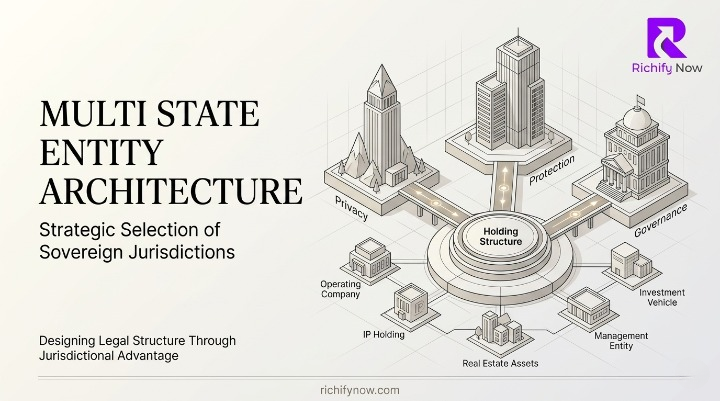
No business structure provides absolute protection. A suitable legal entity may reduce certain personal exposures, but protection depends on proper formation, separation of finances, adequate capitalization, contracts, compliance, recordkeeping, insurance, and the facts of a dispute. The SBA notes that business structure influences taxes, operations, paperwork, fundraising, and personal asset exposure.
A formal risk review should occur at least periodically and whenever the business introduces a new product, employee, vendor, market, location, technology, contract, financing arrangement, or data system. High-priority risks may require continuous monitoring rather than an annual review.
We will use this email to record and deliver your requested resource.